
- 1. What is an Airlock? The Role of Airlocks in GMP Cleanrooms
- 2. GMP Requirements for Airlocks
- 3. Standard Operating Procedure for GMP Airlock Operation
- 4. Essential Devices for Proper GMP Airlock Operation
- 5. Common Mistakes in Airlock Operation and How to Fix Them
- 6. Frequently Asked Questions About GMP Airlock Operation
- 7. Contact Us Now for Expert Consultation and Support
1. What is an Airlock? The Role of Airlocks in GMP Cleanrooms
An airlock is an intermediate space between two areas of different cleanliness levels within a manufacturing facility. It typically features two doors that are designed to never open at the same time, in order to maintain pressure differentials and prevent cross-contamination.
Why is an airlock mandatory in GMP-compliant facilities?
According to GMP-WHO and EU-GMP standards, the airlock functions as a "control valve" that helps:
- Maintain stable pressure differentials between clean and less clean areas, ensuring unidirectional airflow.
- Prevent the movement of microorganisms, fine dust, and particulates between zones, reducing cross-contamination risks.
- Improve operational efficiency when integrated with status indicator lights, electronic interlocks, or HEPA filtration systems.
Classification of airlocks based on function
|
Airlock Type |
Purpose |
Example Application |
|
Personnel Airlock |
Control entry of personnel |
Before pharmaceutical production rooms |
|
Material Airlock |
Control entry of materials |
Between warehouse and compounding areas |
|
Hybrid Airlock |
Shared for personnel and materials (with separate flows) |
Small rooms with low traffic |
Proper classification and placement of airlocks help ensure that personnel and material flows do not intersect, thereby maintaining cleanliness levels in accordance with ISO 14644-1 and industry-specific contamination control requirements.
2. GMP Requirements for Airlocks
An airlock is more than just a "buffer space"-it is a critical control point in the entire airflow and personnel/material movement system in a GMP-compliant plant. Its design and operation must adhere to international standards.
Applicable standards for airlocks
- GMP-WHO - General guidelines requiring prevention of cross-contamination.
- EU-GMP Annex 1 (2022) - Detailed regulations for airlock setup in sterile manufacturing.
- ISO 14644-1:2015 - Defines air cleanliness classifications and particle limits for airlocks and adjacent zones.
Each facility must select standards suitable for its industry: pharmaceuticals, cosmetics, food, etc.
Key technical requirements
- Pressure Differentials
- Airlocks must maintain either positive or negative pressure depending on the desired airflow direction.
- Minimum differential: >10-15 Pa between adjacent areas.
- Use of dual-needle differential pressure gauges or automatic monitoring systems is recommended.
- Surface Materials
- Surfaces must be smooth, non-shedding, and easy to clean.
- Recommended materials: powder-coated steel, stainless steel 304, antibacterial panels, tempered glass.
- Avoid wood, standard plastics, or corrosion-prone materials.
- Flow Control
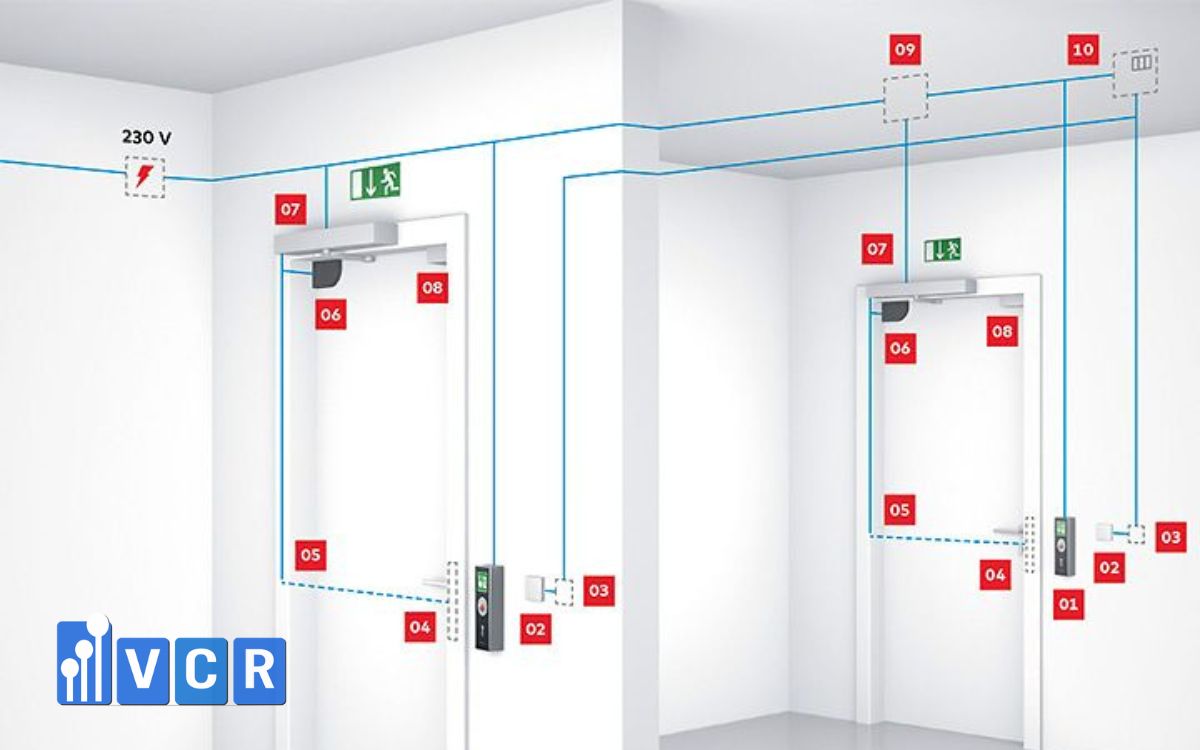
- Airlocks must ensure both doors cannot open at the same time - achieved with electronic or mechanical interlocks.
- Where traffic is high, separate flows for people and materials should be defined.
- Movement direction should be unidirectional: from less clean → processed → cleaner zones.
Typical airlock locations in GMP layout
|
Location |
Control Objective |
Recommended Airlock Type |
|
Between warehouse and compounding |
Block dust and microbes from raw materials |
Material Airlock |
|
Before weighing rooms |
Prevent cross-contamination via personnel |
Personnel Airlock with Interlock |
|
Between clean zones of different classes |
Maintain pressure and reduce particle infiltration |
Hybrid Airlock or Air Shower |
|
Before filling and packaging areas |
Protect high-risk zones |
Airlock with HEPA filtration and strong pressure control |
Improper airlock placement is one of the most common GMP violations during facility inspections.
3. Standard Operating Procedure for GMP Airlock Operation
Proper airlock operation is essential to prevent cross-contamination between clean and less clean areas. Operational errors can lead to serious GMP non-compliance, especially in pharmaceutical or cosmetic manufacturing facilities.
Standard entry/exit procedure
This procedure applies to both personnel and material airlocks in accordance with GMP guidelines:
|
Step |
Action |
Notes |
|
1 |
Close the outer door |
Check status light: inner door must be closed |
|
2 |
Wait for pressure equalization |
Typically 10-30 seconds, depending on differential |
|
3 |
Open the inner door |
Only when the outer door is fully locked |
Some advanced airlocks include audible alarms if doors are opened incorrectly.
The wait time - a commonly overlooked step
As per EU-GMP Annex 1, a 10-30 second delay is required after closing the first door to allow air pressure to stabilize before opening the second door. This step:
- Equalizes airflow between zones.
- Prevents sudden influx or outflow of contaminated air.
- Ensures operator compliance with the proper procedure.
Failure to observe this delay is a frequent issue during GMP audits.
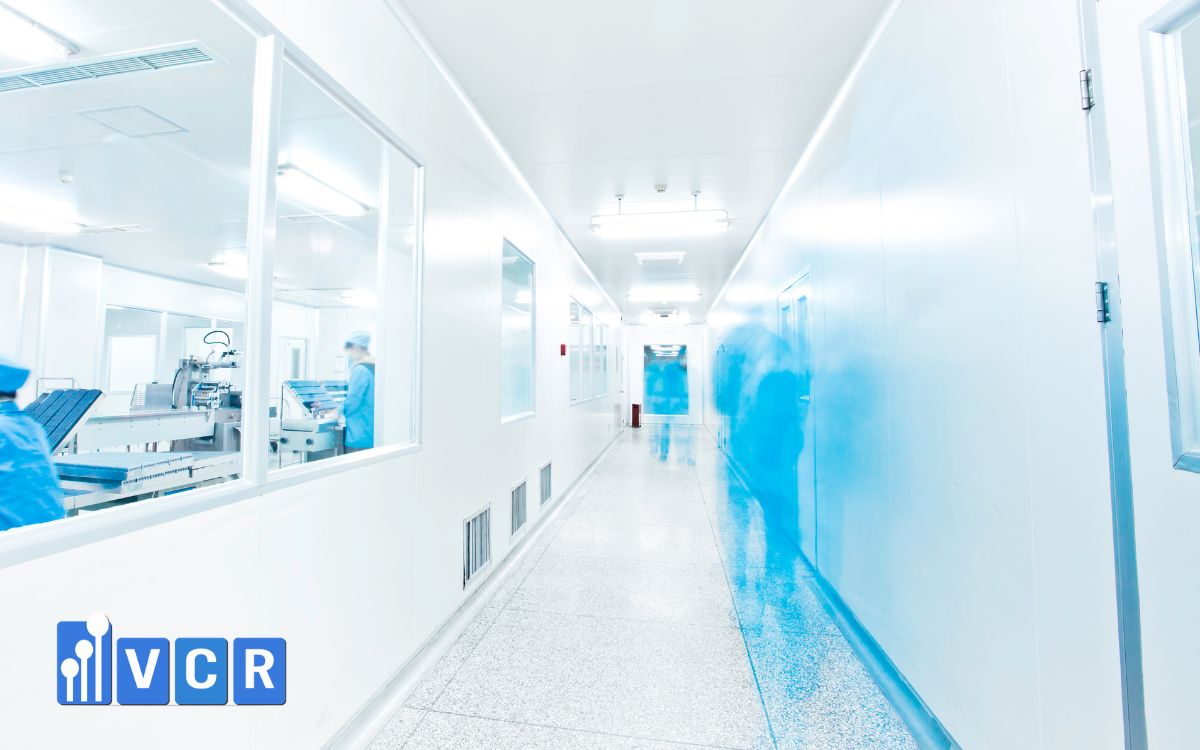
The interlock system - the “gatekeeper” of cleanroom integrity
To prevent both doors from being opened simultaneously, facilities must install electronic interlock systems, which:
- Automatically lock the second door when the first is open.
- Indicate door status via LED lights (open - locked - standby).
- Advanced models may also include:
- Remote door monitoring sensors.
- Automatic door closure timers.
- Alerts for improperly closed doors.
Let me know if you want me to continue translating the next sections.
4. Essential Devices for Proper GMP Airlock Operation
To ensure airlocks operate correctly and consistently, it's not enough to train personnel-it's also crucial to equip the area with intelligent control devices. Below are three essential device groups for any GMP-compliant airlock system:
1. Electronic Interlock System - A Must-Have
An electronic interlock is a control unit that links two or more doors, ensuring that only one door can be opened at a time.
Advantages:
- Fully automates the door opening/closing process.
- Issues warnings when doors are operated out of sequence.
- Configurable for systems with 2, 3, or 4 doors.
Some systems also include:
- Auto-close door timers.
- Audible and visual alarms for incorrect door usage.
2. Status Indicator Lights - Guide Operator Behavior
Red - Green - Yellow lights help users easily recognize the operational status of the airlock:
|
Light Color |
Meaning |
|
Red |
A door is open - Do not open the other |
|
Green |
Safe to open the next door |
|
Yellow |
Waiting for pressure equalization - Do not open |
Lights should be installed on both sides of the door at eye level, with audible alerts in noisy areas.
3. Pass Box with Built-In Interlock - Ideal for Material Transfer
If the airlock is used to transfer materials, raw inputs, or semi-finished goods, installing a pass box with integrated interlock is highly recommended instead of opening full airlock doors.
Benefits:
- Eliminates the need to open airlock doors, reducing contamination risk.
- Can include UV sterilization or HEPA filtration.
- Wall-mounted design ensures easy cleaning and control.Instructions for operating airlock rooms according to GMP standards
5. Common Mistakes in Airlock Operation and How to Fix Them
Even with technically sound airlock designs, many facilities still encounter operational issues. These seemingly minor errors can cause GMP audit failures if not addressed properly.
Here are three common mistakes and how to resolve them:
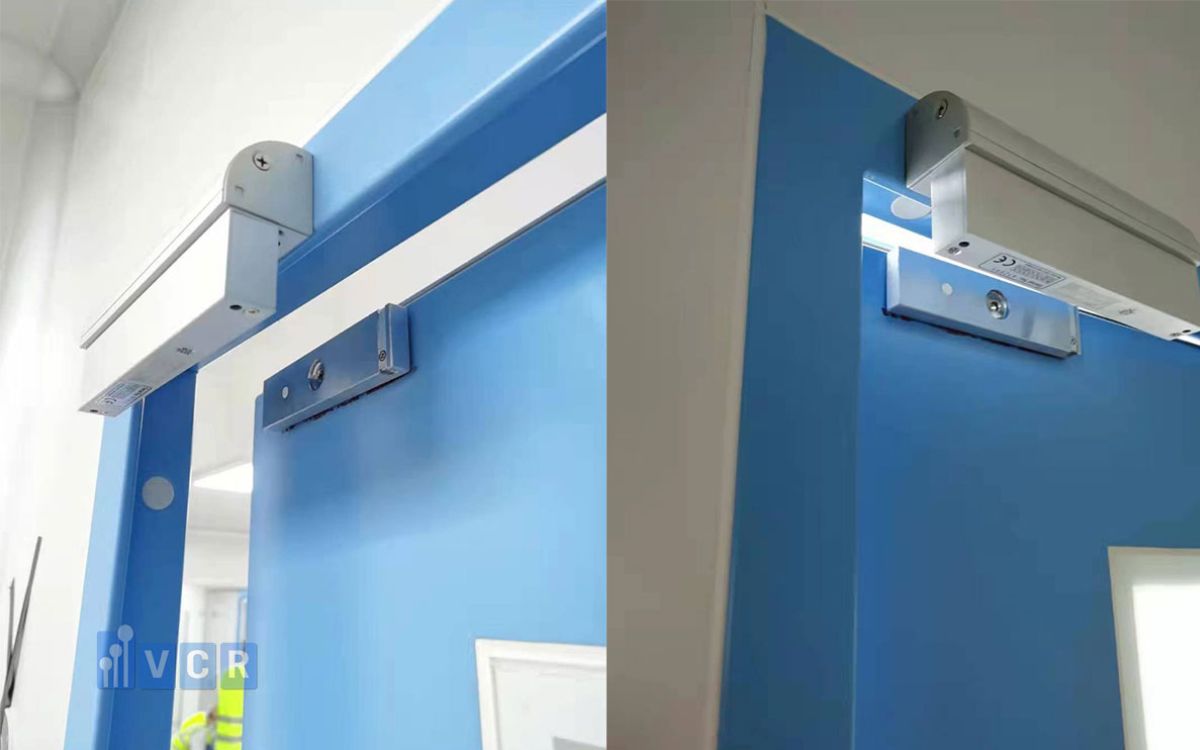
1. Opening Both Airlock Doors Simultaneously
Most common issue: Both airlock doors are opened at the same time, causing pressure loss and allowing contaminated air to enter the clean zone.
Causes:
- Interlock system not installed.
- Interlock malfunction, power failure, or forced manual opening.
Solutions:
- Install a GMP-compliant electronic interlock.
- Enable reset function with audible alarms for incorrect operation.
- Perform weekly system checks to ensure stable operation.
2. Skipping the Waiting Time
Audit findings reveal: Personnel often open the second door immediately after closing the first, without allowing sufficient time for pressure equalization.
Consequences:
- Disruption of airflow, loss of particulate control.
- Reduced cleanroom effectiveness, especially in ISO 7-8 areas.
Solutions:
- Install yellow warning lights and countdown timers.
- Post a simplified SOP directly on the airlock door (e.g., 3-step guide).
- Conduct periodic retraining and compliance checks for staff.
3. Mixing Personnel and Material Flows
In small facilities: A single airlock is often shared by both personnel and materials, leading to cross-contamination.
Risks:
- Contaminants from packaging or raw materials entering clean zones.
- Violates unidirectional flow requirements of EU-GMP/WHO-GMP.
Solutions:
- In limited space, use hybrid airlocks but clearly divide physical zones.
- Use a separate pass box for materials to avoid hand contact with door handles.
- Implement color-coded signage and labels to prevent user confusion.
6. Frequently Asked Questions About GMP Airlock Operation
1. Is it mandatory to install an interlock system in airlocks?
Yes. According to GMP-WHO and EU-GMP, airlock doors must not be opened simultaneously. Installing an electronic interlock is required to ensure safe operation and prevent cross-contamination of airflow.
2. Do airlocks need to be equipped with HEPA filters?
HEPA filters are recommended, especially when the airlock is located between two areas with different cleanliness classifications (e.g., ISO 8 to ISO 7). HEPA filters clean the air before entry or exit, reducing the risk of transferring particulates into cleaner areas.
HEPA filters are often integrated into pass boxes, FFUs, or air showers placed at the airlock.
3. What if personnel forget the correct airlock procedure?
Place a condensed SOP directly at the airlock door, with clear, easy-to-remember steps (Close - Wait - Open). Additionally:
- Conduct refresher training sessions at least every 6 months.
- Use checklists or assign supervisors for compliance in critical areas.
7. Contact Us Now for Expert Consultation and Support
While an airlock may seem like a minor area, it plays a critical role in maintaining GMP compliance and controlling cross-contamination. Proper design, operation, and equipment-such as electronic interlocks, status lights, and pass boxes-will help your facility:
- Improve biosafety levels
- Pass audits with confidence
- Ensure stable, incident-free operations
Need help designing, installing, or standardizing your airlock to meet GMP requirements?
Contact VCR for:
- Free consultation on cleanroom layouts tailored to your industry
- Full-package equipment supply: interlocks, warning lights, pass boxes
- Support with SOP documentation and staff training for real-world audit needs
Hotline: 090.123.9008
Email: [email protected]
Website: https://phongsachduocpham.com/
Diep VCR